Exploring the Steps Involved and Key Considerations
If you’re considering lime plaster for your project, understanding the application process is crucial. This natural and sustainable option offers several benefits over traditional materials. However, it requires a specific application technique to ensure durability and quality. In this article, we’ll walk through the steps of applying lime plaster and highlight what you should expect during the process.
Why Choose This Method?
Lime plaster is known for its breathable properties, which makes it an excellent choice for older buildings. It helps manage moisture levels effectively, reducing the risk of damp issues. Additionally, it’s an eco-friendly option due to its minimal environmental impact. By opting for this material, you’re choosing a sustainable approach that enhances indoor air quality.
Preparatory Steps Before Work Begins
Before starting with lime plastering, preparing the surface is critical. The area must be clean and free of dust or loose particles. Any previous coatings should be removed to ensure proper adhesion. This preparation stage sets the foundation for successful application and long-lasting results.
Understanding the Base Coat Application
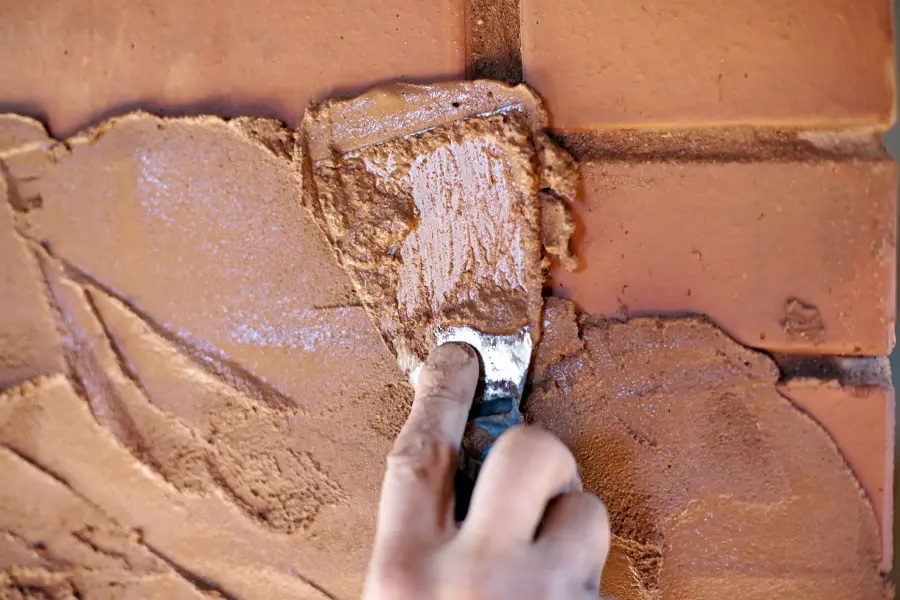
The first step in applying lime plaster involves creating a base coat. This initial layer acts as a bonding agent between the wall and subsequent layers. Applying an even base coat ensures that the lime plaster adheres properly, preventing cracks and other common issues associated with poor application techniques.

Applying Subsequent Layers
After the base coat dries, additional layers are applied. Typically, two or three coats of lime plaster are needed, depending on the desired finish. Each layer must dry completely before the next is applied. Patience at this stage guarantees a smooth and durable finish.
Smoothing and Finishing Techniques
Once all layers are applied, smoothing techniques come into play. Tools like trowels and floats help achieve the desired texture and appearance. It’s essential to work carefully during this phase to avoid blemishes or uneven surfaces.
Maintenance Tips After Application
Maintaining your newly plastered walls requires minimal effort but is important for longevity. Regular inspection for any signs of damage ensures early intervention if needed. Clean the surface gently to maintain its aesthetic appeal without damaging the plaster.
- Inspect regularly for cracks or damages
- Avoid using harsh chemicals for cleaning
- Ensure proper ventilation to prevent moisture buildup
A Few Common Challenges During Application
Despite its advantages, working with lime plaster poses certain challenges. Timing is crucial since each layer needs ample time to cure before moving to the next. Weather conditions can also affect drying times significantly. Being aware of these factors helps in planning appropriately to mitigate potential problems.
Choosing Experts for Best Results
Hiring skilled professionals makes a significant difference when implementing lime plaster solutions. Experienced tradespeople understand the nuances involved and can provide guidance on achieving optimal results. They bring industry insights that enhance both functionality and aesthetics.
The Cost Implications You Should Consider
When budgeting for lime plastering projects, consider both material and labor costs. While initial investments may seem higher compared to conventional options, long-term benefits such as sustainability and reduced maintenance costs offer valuable returns on investment.
Final Recommendations for Your Project
Lime plastering transforms spaces by adding charm while promoting healthy living environments. To embark on your journey towards this transformative solution, connect with Alfredo's Plastering LLC located in Phoenix, AZ. Our experts are ready to guide you through every step ensuring exceptional results tailored specifically for your needs. Contact us today at (480) 602-8436 for more information and personalized assistance.